Exploring the Comfort and Style of Casual Barefoot Shoes
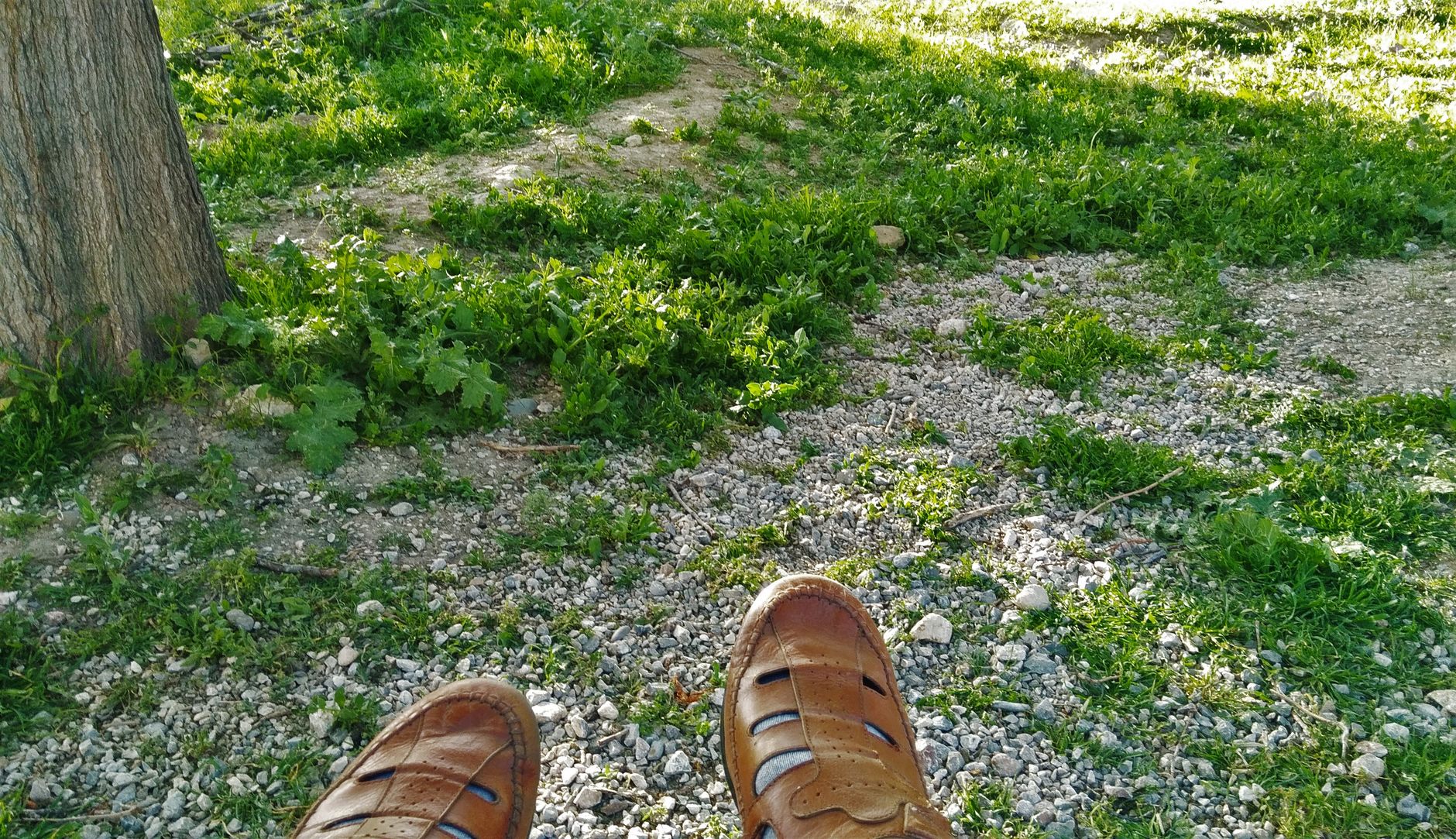
Footwear has long played a central role in how people express themselves, move through their environment, and maintain physical well-being. In recent years, there’s been a shift away from bulky, overly cushioned shoes toward options that embrace a more natural design. This shift has brought attention to a unique category of footwear known as casual barefoot shoes. These minimalist designs offer a return to the fundamentals of foot movement while blending seamlessly into everyday fashion.
Casual barefoot shoes are not limited to fitness circles or hiking trails. They’ve become part of daily wardrobes for individuals who appreciate a blend of style and body-friendly support. By minimizing artificial structure underfoot and encouraging natural foot mechanics, they offer a compelling alternative to conventional sneakers and loafers. People are drawn to the freedom they provide, both in physical terms and in how they fit into varied lifestyles.
Unlike traditional footwear, these shoes often come with wider toe boxes, ultra-flexible soles, and zero-drop heel construction. All of these elements work together to help the wearer feel the ground beneath them while still offering enough protection for urban environments. Whether worn on casual outings, commutes, or while working remotely, casual barefoot shoes bring together practical design and comfort in a way that’s gaining mainstream traction.
The Appeal of Minimalist Footwear in Everyday Life
What sets casual barefoot shoes apart is the experience they offer. Traditional shoes often constrain the foot, altering the way people walk and stand. Over time, this can lead to discomfort or even chronic pain. With minimalist footwear, the foot is encouraged to work as it was naturally designed. This can strengthen muscles, improve posture, and support better balance. It’s a subtle change that, over time, can lead to a noticeable improvement in how one feels throughout the day.
In daily life, most people spend their time walking on flat, hard surfaces. This constant repetition can take a toll on the body, especially if footwear doesn’t allow natural biomechanics to function correctly. By contrast, casual barefoot shoes offer an experience that reconnects wearers with the ground. The thin, flexible soles provide enough feedback to adapt the stride naturally, helping to avoid overreliance on artificial cushioning. The result is often a smoother, more conscious walking pattern.
The integration of casual barefoot shoes into wardrobes also reflects a growing desire for products that do more with less. They’re lightweight and versatile, making them a smart choice for travel, long workdays, or weekend errands. Their sleek, often minimalist look pairs well with a range of clothing styles, from jeans and joggers to shorts and casual dresses. With the increase in remote and hybrid work setups, many individuals seek out footwear that balances comfort and professionalism. These shoes manage that balance with ease.
Materials and Construction That Support Natural Movement
One of the defining characteristics of casual barefoot shoes is how they’re made. Most brands prioritize natural or sustainable materials to enhance breathability, reduce weight, and improve overall flexibility. Breathable mesh, soft leather, and plant-based textiles are common choices. These materials not only feel better against the skin but also offer more adaptability than the rigid components found in traditional footwear.
The construction of casual barefoot shoes revolves around function-driven design. Instead of elevating the heel or supporting the arch artificially, these shoes allow the foot to spread and engage fully with each step. The sole, often just a few millimeters thick, is crafted to bend and twist along with the foot. This can feel unusual at first, especially for those accustomed to padded footwear. However, after a brief adjustment period, many people find the experience liberating.
Durability is another factor that’s been improving steadily in the barefoot shoe space. New models incorporate abrasion-resistant outsoles and reinforced stitching to extend lifespan, making them suitable for daily wear over long periods. While the sole may be thin, the attention to quality means they can hold up just as well as traditional options in terms of long-term performance. Casual barefoot shoes prove that comfort and resilience don’t have to be mutually exclusive.
Matching Footwear to Lifestyle and Personal Preference
Everyday routines vary widely, and footwear needs to adapt accordingly. Casual barefoot shoes are designed with that flexibility in mind. For city dwellers who spend hours on sidewalks and in transit, lightweight soles and breathable uppers can offer relief from the stuffiness of conventional shoes. For parents juggling errands and playground visits, the combination of slip-on convenience and reliable traction makes them a practical option. Even for those who spend much of their day seated, having a shoe that encourages proper foot alignment and posture can lead to better energy and reduced fatigue.
Style matters just as much as function for many wearers. Fortunately, today’s casual barefoot shoes are designed with aesthetics in mind. Clean silhouettes, neutral color palettes, and modern materials ensure they don’t stand out awkwardly in a room full of dress shoes or trendy sneakers. Instead, they blend in just enough to keep things casual while still offering that distinct barefoot feel. Brands have taken cues from both urban and outdoor fashion, creating collections that cater to a variety of tastes.
It’s also worth noting how this type of footwear supports different climates. Some styles are built for breathability, ideal for warm summer months or indoor settings. Others use weather-resistant materials and additional lining to provide warmth during colder seasons. With thoughtful layering or sock pairing, casual barefoot shoes can be worn comfortably throughout the year. This adaptability makes them a strong investment for those who want fewer shoes that do more.
Building a Foundation for Long-Term Comfort
Transitioning to casual barefoot shoes isn’t just about finding the right look or fit. It involves a gradual shift in how the body moves and supports itself. While the change is subtle, the benefits can be lasting. Many individuals report fewer issues with joint discomfort, improved posture, and even relief from foot-related conditions once they commit to more natural footwear options. It’s a lifestyle choice that goes beyond trends and taps into a deeper understanding of how the body works best.
Casual barefoot shoes are increasingly embraced by those who value simplicity, quality, and body awareness. They invite the wearer to slow down, tune in, and move with intention. Whether it’s a walk through the city, a trip to the market, or a day spent working from home, the right pair can enhance that experience in ways traditional shoes often fail to do. Choosing footwear that works with the body rather than against it is a small change that carries a meaningful impact.
Related Stories
 Collectibles Deal Alert
Kroger CEO admits merger had little chance of approval
 Collectibles Deal Alert
AI Transforms HR Practices in Retail Sector
 Collectibles Deal Alert
Lin’s Fresh Market opens new Utah store with community event
 Collectibles Deal Alert