The Scientific Impact of the Asian Chemical Biology Conference: A Nexus for Innovation and Collaboration
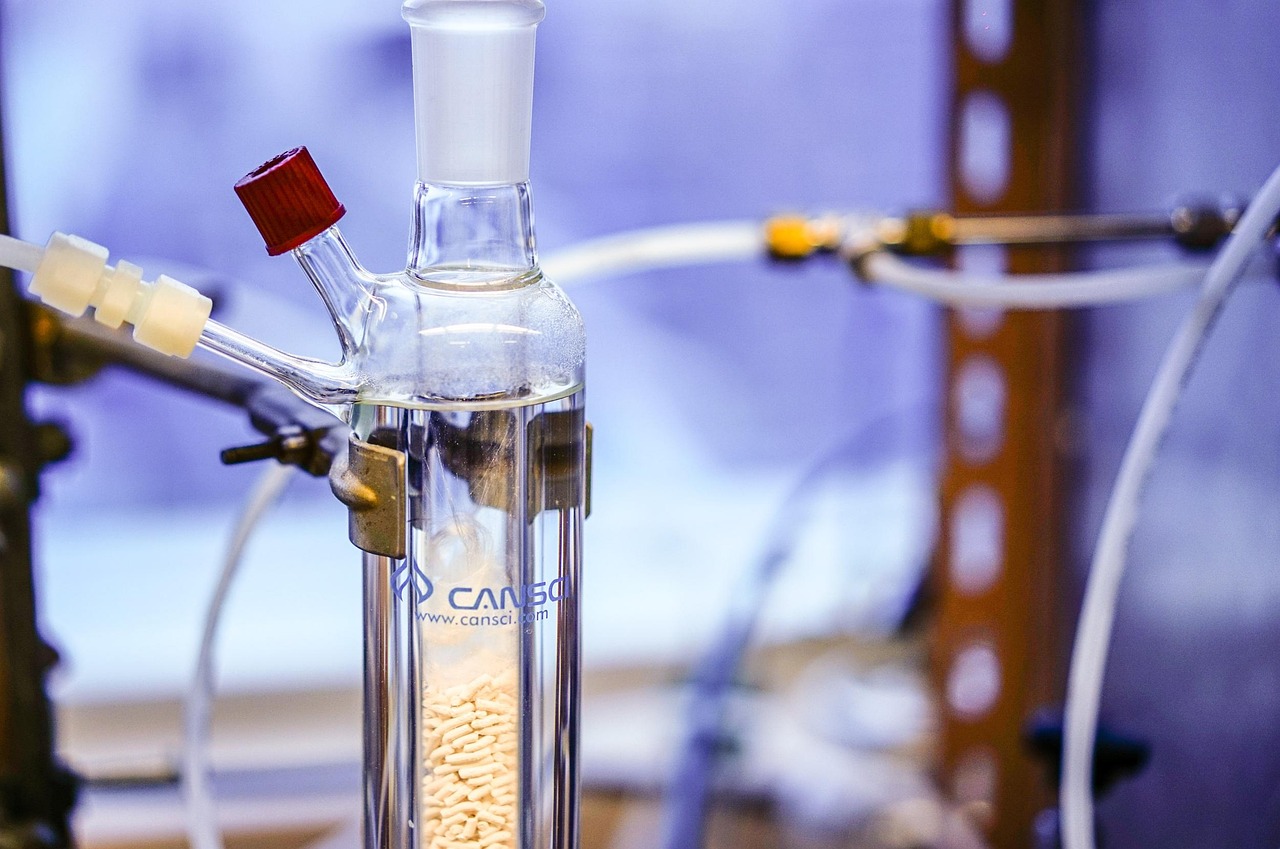
The Asian Chemical Biology Conference (ACBC) stands as a premier scientific event that brings together leading researchers, industry professionals, and academics to discuss the latest developments in chemical biology. The conference is a critical platform for scientific exchange, fostering collaboration and innovation in a field that merges the principles of chemistry and biology to investigate biological systems at the molecular level. Chemical biology plays a vital role in understanding disease mechanisms, drug discovery, and the design of chemical tools that can probe and modulate biological pathways.
In this article, we will explore the scientific dimensions of the ACBC, focusing on the pivotal role the conference plays in driving research, catalyzing technological advancements, and shaping the future of chemical biology. Visit acbc2023.org.
Scientific Foundations of the ACBC
The scientific mission of the ACBC is grounded in its focus on the interplay between chemistry and biology, with an emphasis on molecular and cellular mechanisms. By utilizing chemical tools and techniques, chemical biologists are able to dissect complex biological processes, leading to a deeper understanding of diseases and the discovery of novel therapeutic approaches.
The conference encompasses a wide range of subfields within chemical biology, from structural biology and chemical proteomics to bioorthogonal chemistry and synthetic biology. Each year, the ACBC showcases groundbreaking research across these areas, serving as a scientific forum where participants can exchange ideas, discuss challenges, and propose solutions.
The ACBC’s scientific contributions can be categorized into several core areas:
1. Chemical Proteomics
One of the most prominent themes at the ACBC is chemical proteomics, a subfield that uses chemical probes to investigate the function, structure, and interaction of proteins within biological systems. Proteins are the functional units of the cell, and their behavior determines how cellular processes unfold. Chemical proteomics enables scientists to map protein activity and understand the molecular basis of diseases such as cancer, Alzheimer’s, and infectious diseases.
Researchers at the ACBC frequently present advances in the design of chemical probes that can bind to specific proteins, track their activity in living cells, and reveal their role in signaling pathways. Chemical proteomics also plays a key role in drug discovery, enabling the identification of drug targets and the development of therapies that modulate protein function.
- Recent Advances: At recent ACBC meetings, scientists have showcased cutting-edge chemical probes that target previously “undruggable” proteins, providing new opportunities for therapeutic intervention. In addition, there has been significant progress in high-throughput chemical proteomics, which allows researchers to screen large libraries of chemical compounds against proteins to identify potential drug candidates.
2. Bioorthogonal Chemistry
Bioorthogonal chemistry, which involves chemical reactions that can occur inside living organisms without disrupting native biological processes, is another key area of focus at the ACBC. This field has gained widespread attention due to its applications in live-cell imaging, drug delivery, and the tracking of biomolecules within biological systems.
The ACBC has been at the forefront of presenting new bioorthogonal reactions that allow scientists to label biomolecules, such as proteins and nucleic acids, in a way that does not interfere with the natural biochemical environment. These reactions are used in various applications, from visualizing cellular processes to delivering drugs specifically to diseased tissues.
- Innovative Applications: Researchers at the ACBC have reported the development of novel bioorthogonal ligation reactions that offer higher efficiency and selectivity. These tools are being applied to label and track proteins involved in cancer, neurodegenerative diseases, and immune system responses, providing valuable insights into the molecular mechanisms of these conditions.
3. Synthetic Biology and Chemical Biology Intersections
The intersection of synthetic biology and chemical biology is an emerging theme in the ACBC, reflecting the trend towards integrating these two disciplines to create new biological systems. Synthetic biology focuses on designing and constructing artificial biological systems, while chemical biology provides the chemical tools necessary for controlling and understanding these systems at the molecular level.
The ACBC is a prime venue for discussing how synthetic biology can be used to engineer microorganisms, cells, or even entire tissues with novel functions. These engineered systems have vast potential in biotechnology, biofuel production, and medicine.
- Emerging Research: At recent ACBC sessions, researchers have explored the use of chemical biology tools to control synthetic biological systems. For example, scientists have presented methods for creating synthetic gene circuits that can be controlled using small molecules, enabling precise regulation of gene expression in engineered cells. These innovations have implications for fields such as gene therapy, regenerative medicine, and biosensor development.
4. Natural Products in Chemical Biology
Natural products, which are bioactive compounds derived from plants, microorganisms, and marine organisms, remain a major area of research at the ACBC. These compounds have historically served as a rich source of therapeutic agents, particularly in the treatment of cancer, infections, and inflammatory diseases.
Chemical biologists attending the ACBC are involved in the discovery and characterization of new natural products, elucidating their mechanisms of action, and harnessing their potential for drug development. The conference serves as a platform for researchers to share novel techniques in isolating, synthesizing, and optimizing natural products for therapeutic use.
- Case Studies: The conference has highlighted several successful cases where natural products have been modified using chemical biology techniques to improve their efficacy, selectivity, and bioavailability. Researchers have also discussed how natural products can serve as chemical probes to investigate cellular pathways involved in disease progression.
5. Chemical Epigenetics
Chemical epigenetics, a rapidly growing area within chemical biology, focuses on the use of small molecules to modulate epigenetic marks, such as DNA methylation and histone modifications, which control gene expression. Dysregulation of epigenetic mechanisms is linked to various diseases, including cancer, cardiovascular disease, and neurodegenerative disorders.
The ACBC has been instrumental in advancing the field of chemical epigenetics, with numerous presentations on the design and application of small molecules that target epigenetic enzymes. These molecules serve as powerful tools for studying how epigenetic changes affect cellular function and for developing new therapies aimed at reversing aberrant epigenetic modifications.
- Noteworthy Research: ACBC participants have presented data on small molecules that inhibit histone deacetylases (HDACs), methyltransferases, and other epigenetic regulators. These compounds are being investigated for their potential to treat cancer by reactivating tumor suppressor genes that have been silenced by epigenetic changes.
6. CRISPR and Gene Editing
The advent of CRISPR-Cas gene-editing technology has revolutionized molecular biology, enabling precise modifications to the genome. At the ACBC, researchers have focused on integrating CRISPR with chemical biology tools to enhance its specificity, efficiency, and versatility.
Presentations at the conference have demonstrated how chemical modifications can improve CRISPR’s ability to target specific genes and reduce off-target effects. This combination of gene-editing technology and chemical biology is opening up new avenues for creating disease models, understanding gene function, and developing gene therapies.
- Recent Innovations: One of the major highlights at the ACBC has been the presentation of novel CRISPR systems that incorporate small molecules to enhance gene editing precision. These systems are being applied to therapeutic areas such as cancer immunotherapy and the correction of genetic disorders.
Fostering Collaboration and Innovation
Beyond the individual scientific achievements, the ACBC plays a critical role in fostering collaboration across institutions, countries, and scientific disciplines. By bringing together researchers from diverse fields, the conference encourages interdisciplinary research and the formation of collaborative networks that drive scientific innovation.
- Interdisciplinary Teams: At the ACBC, it is not uncommon for chemists, biologists, pharmacologists, and computational scientists to come together and form research teams that tackle complex biological problems. The collaborative environment of the conference allows for the sharing of ideas, resources, and expertise, leading to breakthrough discoveries.
Conclusion
The Asian Chemical Biology Conference serves as a scientific powerhouse, driving innovation and collaboration in the rapidly evolving field of chemical biology. With its focus on cutting-edge research areas such as chemical proteomics, bioorthogonal chemistry, synthetic biology, and gene editing, the ACBC is shaping the future of how we understand and manipulate biological systems at the molecular level.
By providing a platform for the presentation of new research, facilitating interdisciplinary collaboration, and fostering the next generation of scientists, the ACBC continues to have a profound impact on the global scientific community. Its commitment to scientific excellence ensures that chemical biology will remain at the forefront of innovations in drug discovery, biotechnology, and therapeutic development.
Related Stories
 Thrift Market Radar
Retailers and Union Warn Rate Hikes Threaten 90,000 Jobs
 Thrift Market Radar
Retailers struggle to understand consumables spending
 Thrift Market Radar
BigCommerce Payments launches new UK integrated payment solution
 Thrift Market Radar