Holiday meals trump clothing, events as Americans cut costs
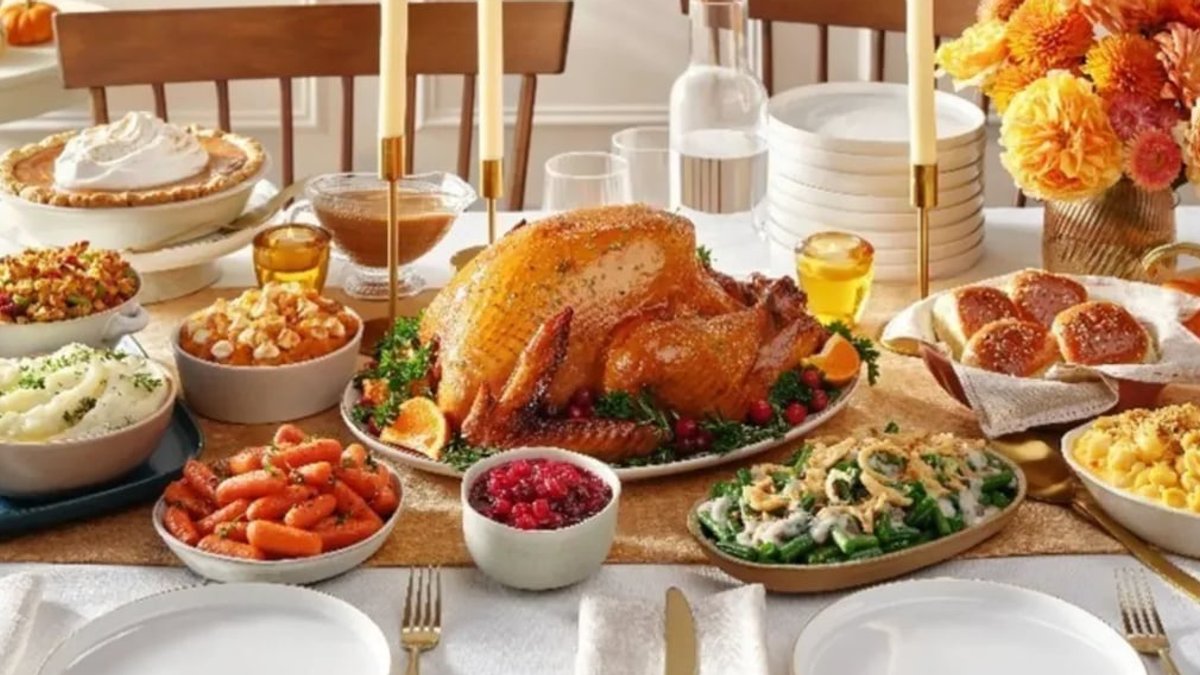
Americans are prioritizing holiday meals over other expenses, according to a recent survey by FMI—The Food Industry Association. The report, “U.S. Grocery Shopper Trends 2026: Holidays”, reveals that 45% of shoppers are concerned about rising food prices, yet they’re unwilling to cut back on their festive feasts.
Instead, they’re opting to reduce spending on holiday clothing, decorations, and events. Leslie Sarasin, FMI’s president and CEO, notes that food is the centerpiece of holiday gatherings, and shoppers are determined to protect this tradition.
Grocery budgets and spending habits
The survey, conducted in partnership with The Hartman Group, polled 1,467 U.S. grocery shoppers. It found that 45% of respondents are extremely or very concerned about holiday food prices, an 8% increase from 2025.
Despite this, average weekly grocery spending remains steady at $172. Interestingly, FMI’s U.S. Grocery Shopper Sentiment Index reached 72 this fall, nearing its historical high.
Holiday priorities and home cooking
When it comes to holiday priorities, 67% of shoppers value a fun, harmonious time with family and friends, while 52% prioritize a great homemade feast. Only 17% would consider cutting back on food for holiday meals.
Home cooking is making a comeback. Among shoppers planning to serve turkey, 59% said they would prepare it from scratch at home, up 16 points from 2025.
In a notable shift, holiday meal preparation has become a group effort. In households cooking at least one homemade dish, 95% of shoppers plan to contribute, and 90% are as excited about the preparation as the holiday itself.
Adapting to challenges and adopting technology
Shoppers are prepared to adapt to potential supply issues. While 24% are concerned about food shortages, 50% would substitute a familiar dish, and 35% would try a new recipe.
Technology is playing a larger role in holiday planning. Weekly AI usage among shoppers has risen to 27%, and 65% would like to use AI for holiday meal planning, particularly for finding new recipes (34%) and festive ideas (27%).
Shoppers also have suggestions for grocers to ease Thanksgiving preparation. 36% want holiday discounts for loyalty program members, while 29% and 25% prefer special displays for holiday meals and specific dishes, respectively.
The role of loyalty programs
Loyalty programs are becoming essential for budgeting. 72% of shoppers agree that their primary store’s loyalty program is essential to saving money and staying within budget. Among shoppers whose primary store offers a loyalty program, 71% have joined, and 95% find them valuable.
The most appreciated benefits include everyday discounts (95%), personalized discounts (91%), and redeemable points (90%). These programs also enhance the overall shopping experience, with members rating their primary store higher (85% vs. 79%) and enjoying grocery shopping more (50% vs. 37%).
However, there’s a gap between demand and access. 68% of shoppers without a loyalty program at their primary store are interested in having one. Participation also skews toward higher earners, with 78% of those earning $150,000 or more as members, compared to 58% of those earning under $35,000.
Loyalty program awareness and participation gaps
Non-members cite lack of awareness (18%) or no specific reason (28%) for not joining. Lower-income households and younger consumers are less likely to participate, highlighting a need for improved accessibility and awareness.


