The Ethics of Vintage Fur Purchases
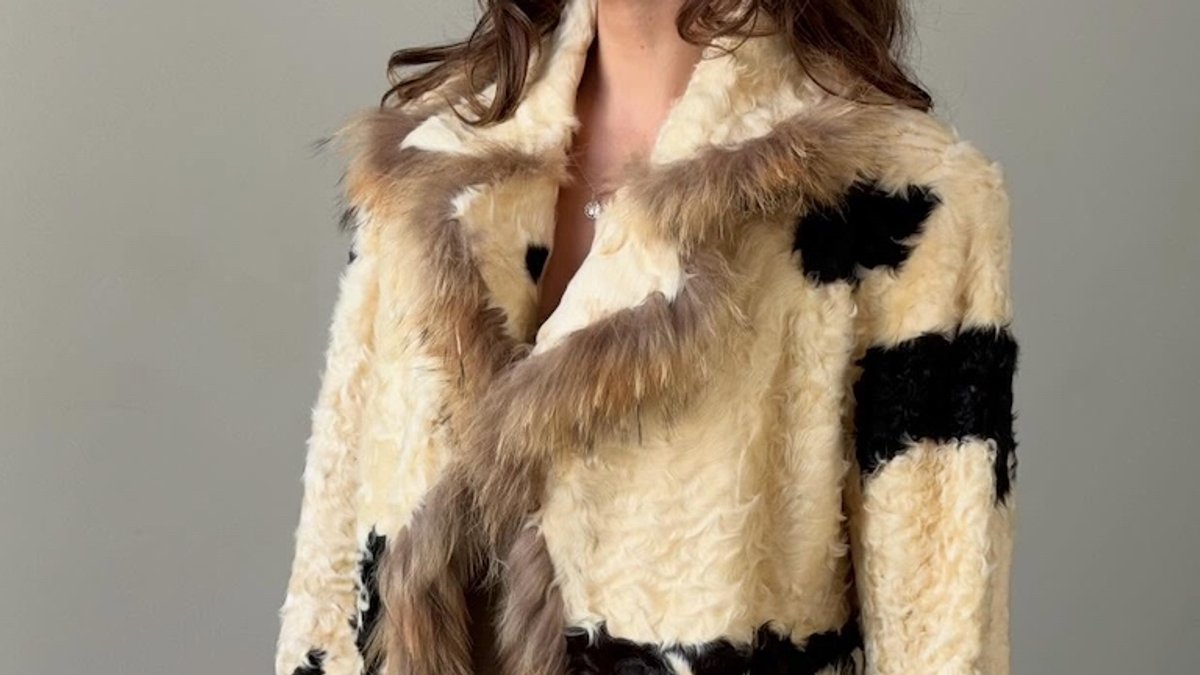
The debate around buying vintage fur has gained attention in recent years, with some arguing it’s a more sustainable option, while others see it as morally reprehensible. Calvin Klein was one of the first major fashion houses to ban the use of fur in their collections, back in 1994. Since then, other prominent brands like Stella McCartney, Gucci, Versace, and Chanel have followed suit, with Prada and Miu Miu joining the list in 2020.
However, not all fashion houses have abandoned the use of fur, with LVMH, the owner of Fendi and Dior, yet to make a commitment to stop using fur in their designs.
Despite the decline of fur in the fashion world, vintage furs have seen a resurgence in demand. Arnie Kieldgaard, the owner of Potts Point Vintage in Sydney, and Georgia Gordon, the curator behind Guzzi Archive, note that vintage furs have long been coveted by vintage enthusiasts, but are now experiencing a broader appeal.
The appeal of vintage fur can be attributed to its timeless glamour and sex appeal, according to Arnie. They also note that the growing awareness of overconsumption and the move towards vintage shopping play a role in the increasing demand for vintage furs.
Vintage furs are seen as a more sustainable option compared to new, synthetic fur products. Since they have already been made, they don’t require the extraction of new resources or the production of synthetic fibers. Georgia notes that giving a new life to something that’s been discarded by someone else is a key part of the appeal.
Related: Target and Kroger thrive in Utah Idaho
The durability of vintage furs is also a significant factor. Arnie points out that the fact they have lasted decades speaks to their quality, making them a more sustainable choice in the long run.
For those interested in investing in a secondhand fur coat, there are several considerations to keep in mind. Arnie explains that not all furs are equal, and the quality of the fur can affect its price. Rabbit fur is thinner and breaks more easily, making it cheaper, while higher-quality furs like leopard are more expensive.
When purchasing a vintage fur, it’s essential to inspect the item carefully for any damage or signs of wear. Georgia advises looking for holes or flaky patches on the underside of the fur, which can indicate dry rot. She also notes that seam tears can be fixable, but require careful repair.
Individuals have different perspectives on vintage fur.
As the debate around vintage fur continues, it’s clear that the decision to buy or wear vintage fur is complex, influenced by environmental concerns, animal rights, and personal style. While some see it as a sustainable and glamorous option, others view it as morally wrong. The choice to buy vintage fur depends on individual perspectives and values, with some people prioritizing sustainability and others prioritizing animal welfare.
Related Stories
 Thrift Market Radar
BigCommerce Payments launches new UK integrated payment solution
 Thrift Market Radar
New Jersey grocers struggle with rising costs and closures
J.C. Penney’s sales drop as rivals outperform
 Thrift Market Radar