Ocado shares rise on Korea expansion
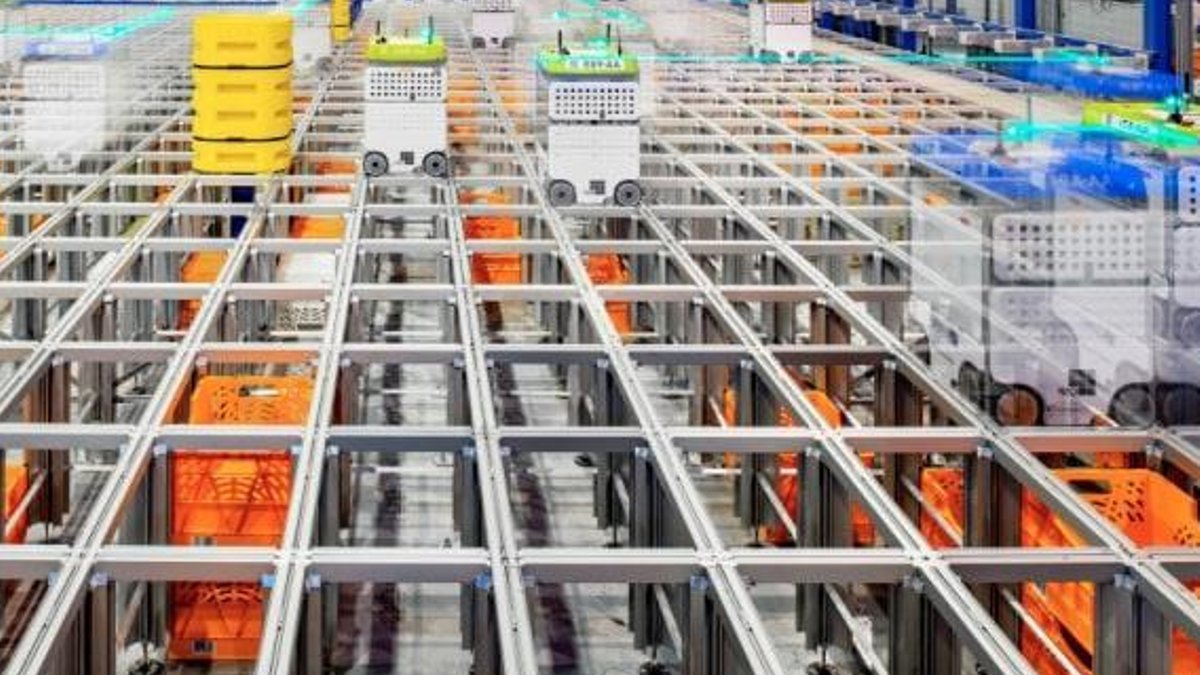
Ocado shares jumped nearly 25% this week after the online‑grocery technology firm opened its first robotic fulfillment centre in South Korea, a move the company’s chief revenue officer called a “major milestone.”
South Korean launch fuels investor optimism
The new warehouse, the first of its kind for Ocado outside Europe, became operational earlier this month. Its opening coincided with a lift in the target price set by JP Morgan, which raised the ceiling from 245 pence to 290 pence per share. Analyst Marcus Diebel said he “liked the [Ocado] story” and argued that the current rating did not reflect the value of contracts already signed, let alone any upcoming deals.
Diebel added, “Recent newsflow around the signing of a large, new customer fulfilment centre customer, alongside a more constructive tone from CEO Tim Steiner on our recent investor call, reinforces our view that momentum is improving and further deal wins are achievable.” He cautioned that “volatility persists, but execution is improving.”
Related: UK urged to grow more homegrown produce
New contracts aim to offset recent losses
In July, Ocado announced a contract with an unnamed European retailer for three to five new CFC modules, slated to go live in fiscal year 2028. The same month, the company also secured a deal to manage Asda’s entire online grocery operation. Both agreements were described by Diebel as “welcome surprises” that highlight the long‑term value of Ocado’s large‑scale fulfillment centre offering.
Over the past year, the firm has seen setbacks in North America, where Kroger and Sobeys closed four combined CFC sites. Those closures were previously labeled a “near knockout punch” by industry observers. The boardroom dispute between CEO Tim Steiner and chairman Adam Warby added further uncertainty, though Steiner retained his role through the end of FY 2028 to aid succession planning.
The cost‑reduction program targets £150 million in savings.
Management reaffirmed guidance to generate positive underlying cash flow in the second half of FY 2026 and to maintain a positive outlook for the full year in FY 2027.
Related: Fashion writer shares her headphone style
While exclusivity agreements have largely expired, opening the market to a broader customer base, the company continues to pursue automation‑driven efficiencies. The Korean rollout, combined with the European and Asda contracts, suggests a strategic shift toward diversified revenue streams beyond its traditional UK and European footprint.
From a broader perspective, the significance of these moves lies in how they may reshape Ocado’s competitive positioning. By expanding into Asia and securing new European partners, the firm is attempting to mitigate the impact of earlier contract losses and demonstrate that its technology can attract diverse retailers. If the cost cuts and new deals deliver the anticipated cash‑flow improvements, Ocado could stabilize its financial profile and reassure a wary investor base.
Analysts remain watchful of execution risk, especially as the new Korean centre ramps up and the European modules approach their 2028 launch window. Nevertheless, the recent share surge and upgraded price target reflect a growing belief that the company’s strategic adjustments are beginning to bear fruit.
Related Stories
 Resale Platform Watch
Cass Art Unifies In-Store and Online Loyalty Programs
 Resale Platform Watch
Dreamland Bedding GM earns People in Retail nomination
 Resale Platform Watch
HSO Director Sean O’Hagan on Retail AI Strategy
 Resale Platform Watch