UK urged to grow more homegrown produce
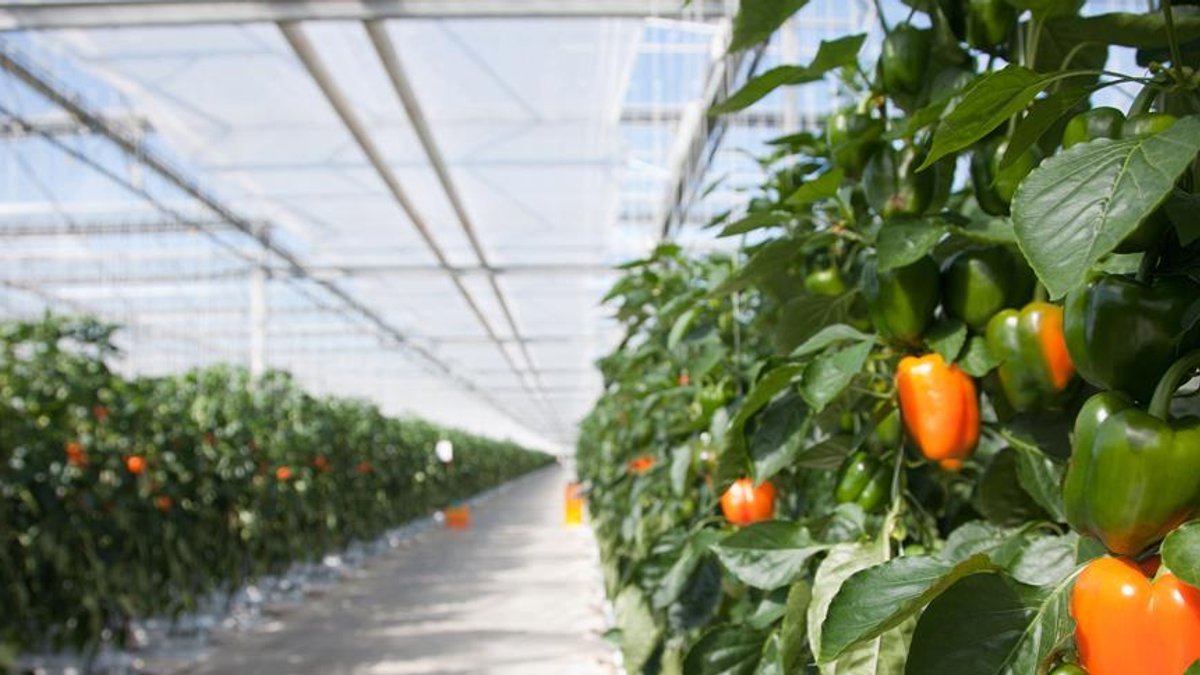
The UK could raise its food self-sufficiency to 66%—the highest level since 2000—by expanding domestic fruit and vegetable production to replace half of current imports, according to a new report. This target would mark a significant step toward reducing the country’s dependence on foreign supply chains, which have become increasingly unstable due to climate-related disruptions.
Land use and economic impact
The shift would require less than 50,000 hectares of land, or 0.3% of the country’s farmed area. This relatively small expansion could generate £1.9 billion annually for British farmers, the report by Green Alliance found. The calculation holds even as extreme weather has reduced cereal harvests in recent years, demonstrating that horticulture can thrive under conditions that have proven difficult for other agricultural sectors.
Currently, the UK imports 86% of its fruit and 44% of its vegetables. The report argues that domestic production would reduce vulnerability to international supply shocks, such as droughts and storms in Morocco and southern Spain. These regions, which supply a significant portion of the UK’s winter produce, have faced repeated crop failures due to rising temperatures and erratic rainfall.
Lydia Collas, head of natural environment at Green Alliance, said the reliance on imports leaves the UK’s food supply “unnecessarily vulnerable” to increasingly frequent weather extremes abroad. She noted that British diets are shifting away from red meat, increasing demand for fruit and vegetables.
Protected growing and government action
The think tank suggested that glasshouses could help grow more produce in the UK while shielding crops from extreme weather. These structures, which can range from large-scale commercial operations to smaller, community-based facilities, offer controlled environments that mitigate risks such as frost, flooding, or heatwaves.
Related: Little Moons launch new sour mochi flavor
The report recommended the government’s upcoming horticulture sector growth plan fast-track new glasshouses near industrial sites and AI data centers, using clean waste heat to support production. Industrial facilities and data centers generate significant amounts of excess heat, which is typically released into the atmosphere as waste. By redirecting this heat to glasshouses, the UK could create a symbiotic relationship between sectors, reducing energy costs for growers while improving the efficiency of industrial operations.
John Walgate, chief executive of the British Growers Association, said British growers are among the most innovative in the world but struggle to turn a profit. He called on the government to treat the industry as “strategically important” and provide the support needed to boost healthy, home-grown produce.
The report also urged the government to help growers transition from expensive fossil gas to low-cost renewable electricity. It proposed backing long-term fixed-price energy contracts and funding the shift away from fossil fuels.
This isn’t the first time the UK has faced pressure to improve food security. In the early 2000s, self-sufficiency hovered near 75%, but a mix of cheaper imports, trade policies, and agricultural shifts pushed reliance on foreign supply chains higher.
Green Alliance published the report as the government prepares its horticulture sector growth plan, which could shape agricultural policy for the next decade.
Related Stories
 Resale Platform Watch
Dreamland Bedding GM earns People in Retail nomination
 Resale Platform Watch
HSO Director Sean O’Hagan on Retail AI Strategy
 Resale Platform Watch