Seafood Sales Drop as Stores Confuse Shoppers
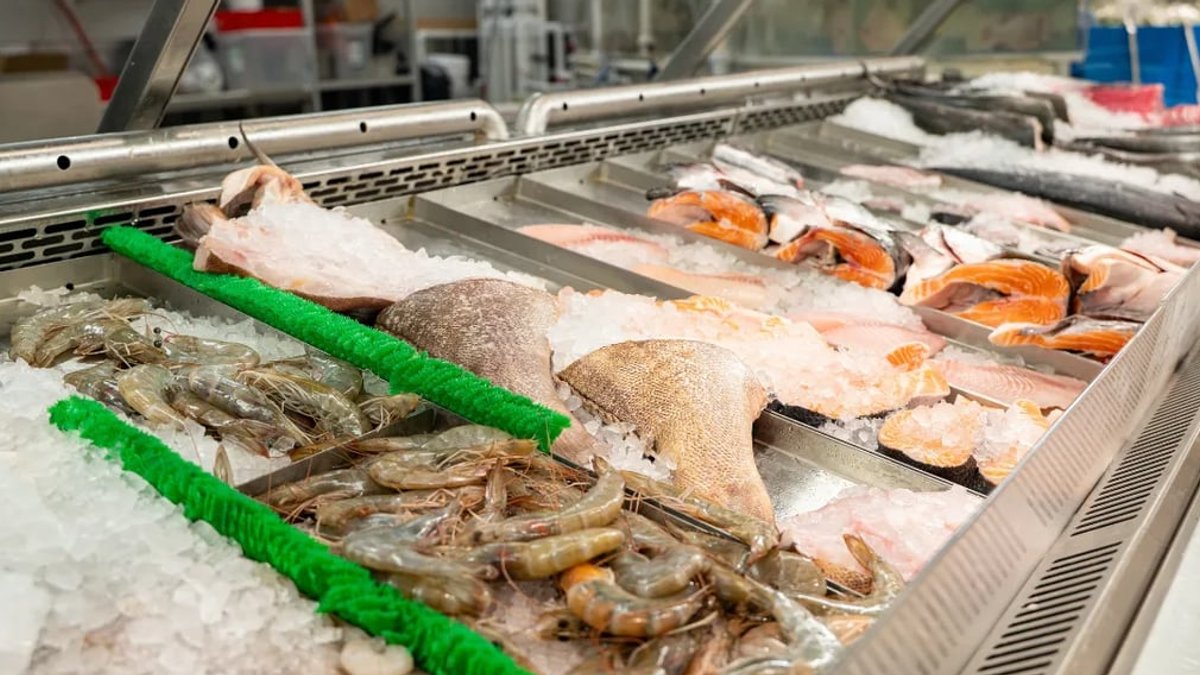
According to market research, retailers are missing out on potential sales by creating a complicated shopping experience for seafood customers. The key to boosting seafood department sales lies in simplicity, yet many retailers are failing to capitalize on this opportunity. As Chris DuBois, senior vice president for Circana, puts it, “Keep it simple” is essential for increasing sales, but many operators are not heeding this advice.
The Brief Decision-Making Process
At the point of purchase, shoppers typically do not take the time to review detailed product information. Chris DuBois notes that the average seafood customer makes a purchasing decision in just 17 seconds. If the shopping process is confusing, customers are likely to opt for alternative protein sources, such as pork or beef, instead.
To effectively engage customers, retailers should focus on highlighting the benefits of their products, such as cooking times, ease of preparation, and nutritional value, rather than using technical jargon. As DuBois explains, “Consumers get tired of seeing signage with industry jargon.” He advises retailers to emphasize the positive impact of their products on customers’ lives, including the health benefits of omega-3 fatty acids, and to provide relevant information, such as grams of protein per serving and product origin. While industry terminology may be relevant in business-to-business transactions, it can alienate potential customers and prevent retailers from “bringing more shoppers into the mix.” Providing meaningful information is key to making a difference.
Meeting Customer Expectations
Retailers must tailor their product selections to meet the unique needs and expectations of customers at each location. For example, customers at discount stores often prioritize affordability and popular species. However, managing selections can be challenging, particularly when dealing with perishable products.
According to Circana, salmon sales volume increased by 3.8% to 373 million for the 52 weeks ending Nov. 1, despite a 2% average price increase to $11.71 per pound. Tilapia sales volume grew by 1.6% to 48.5 million, with a 5.2% price increase to $6.28 per pound, while trout sales rose by 4.5% to 28.1 million, with a 3.5% price gain to $9.78 per pound.
About the Author
Richard Mitchell has been covering supermarket developments for over 15 years. He previously served as editor-in-chief of publications focused on the retail meat and poultry, deli, refrigerated and frozen foods, and perishables sectors. Mitchell has written extensively on meat and poultry processing and store brands, and holds a bachelor’s degree in journalism from the University of South Carolina.


