Boots ad banned by advertising watchdog
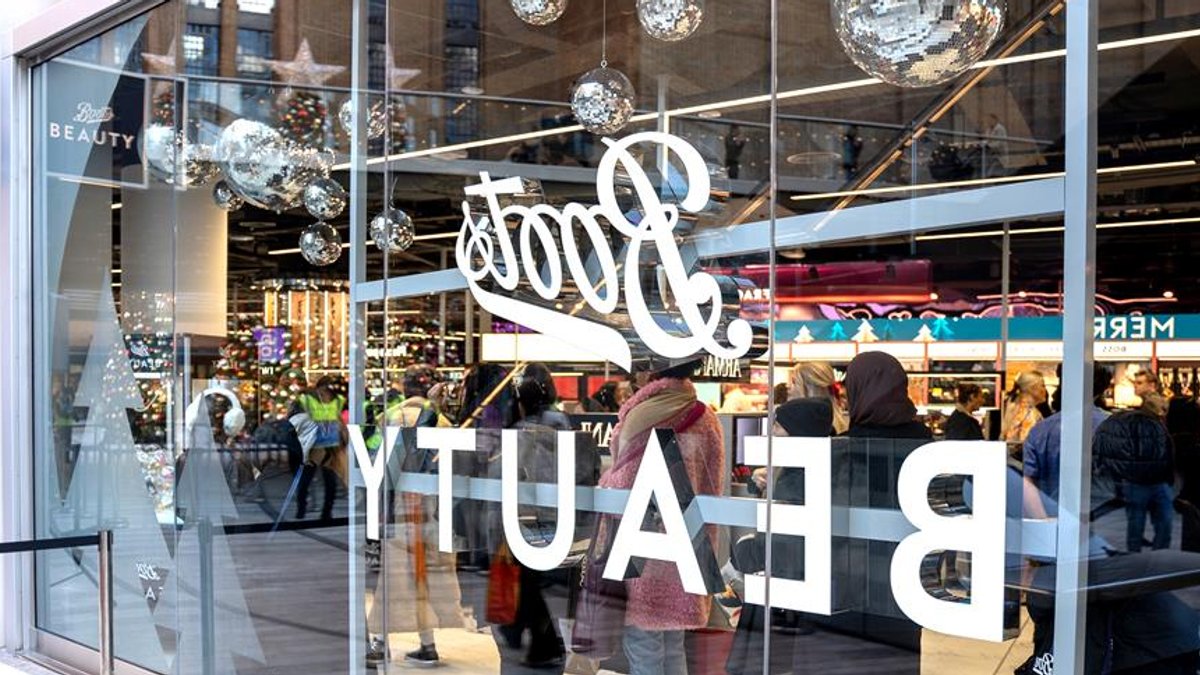
Boots, a health and beauty retailer, has been censured by the advertising watchdog for a promotion that promised free No7 face lotion in stores. The promotion, which was advertised on the front page of a newspaper in March, directed readers to a voucher inside the paper to be redeemed for a free tube of lotion from “any Boots store today”.
A consumer complained to the Advertising Standards Authority (ASA) after being unable to claim the offer at a store that had run out of stock. The ASA investigated and found that Boots had failed to make a reasonable estimate of the likely response to the promotion.
Boots estimated demand based on a previous promotion that ran over six days, but the ASA said the company should have anticipated a more concentrated spike in demand during the one-day offer. The company also used normal sales rates to decide how much stock to allocate to individual stores, which was not sufficient given that the product was being offered for free.
The ASA noted that Boots had no established system for recording instances of consumers being unable to claim an offer due to stock running out, which meant the company lacked reliable data for forecasting individual store demand.
This lack of data made it difficult for Boots to anticipate and prepare for the high demand. The phrases “subject to availability” and “while stocks last” in the ad did not relieve Boots of its obligation to ensure sufficient stock in individual stores.
The ASA said that consumers should not have been expected to visit multiple stores in an attempt to redeem a free item before the offer expired. The ASA concluded that the promotion had not been administered fairly and was likely to have caused participants unnecessary disappointment.
The decision means that the ad is banned from appearing again in the same form, and Boots has been instructed to ensure that future promotions are administered fairly and do not cause unnecessary disappointment. Boots has been told to take steps to avoid disappointing participants in future promotions.
These steps include making reasonable estimates of demand and taking steps to ensure sufficient stock is available. The company must also establish a system for recording instances of stock running out, which will help with forecasting demand for future promotions.
Boots will need to review its promotional practices to ensure that they are fair and do not cause unnecessary disappointment to consumers. The company will need to balance the desire to create buzz around its products with the need to ensure that it can meet demand and fulfill its promises to customers, much like retailers do when there is a summer sales boost.
The ASA’s decision is a reminder to companies that they have a responsibility to ensure that their promotions are administered fairly and do not cause unnecessary disappointment to consumers. In practice, this means that companies like Boots need to carefully plan and execute their promotions, taking into account the likely demand and ensuring that they have sufficient stock to meet that demand.
For consumers, the decision provides reassurance that the ASA is taking steps to protect them from unfair promotional practices. It also highlights the importance of carefully reading the terms and conditions of promotions and being aware of the potential for stock to run out, especially in the fashion retail industry.
Boots will need to take the ASA’s decision into account when planning future promotions. The company’s failure to do so in this case has resulted in a ban on the ad and a reputational blow.
They must learn from this experience.
Related Stories
 Resale Platform Watch
Cass Art Unifies In-Store and Online Loyalty Programs
 Resale Platform Watch
Dreamland Bedding GM earns People in Retail nomination
 Resale Platform Watch
HSO Director Sean O’Hagan on Retail AI Strategy
 Resale Platform Watch