Sporting goods sales dip as costs rise
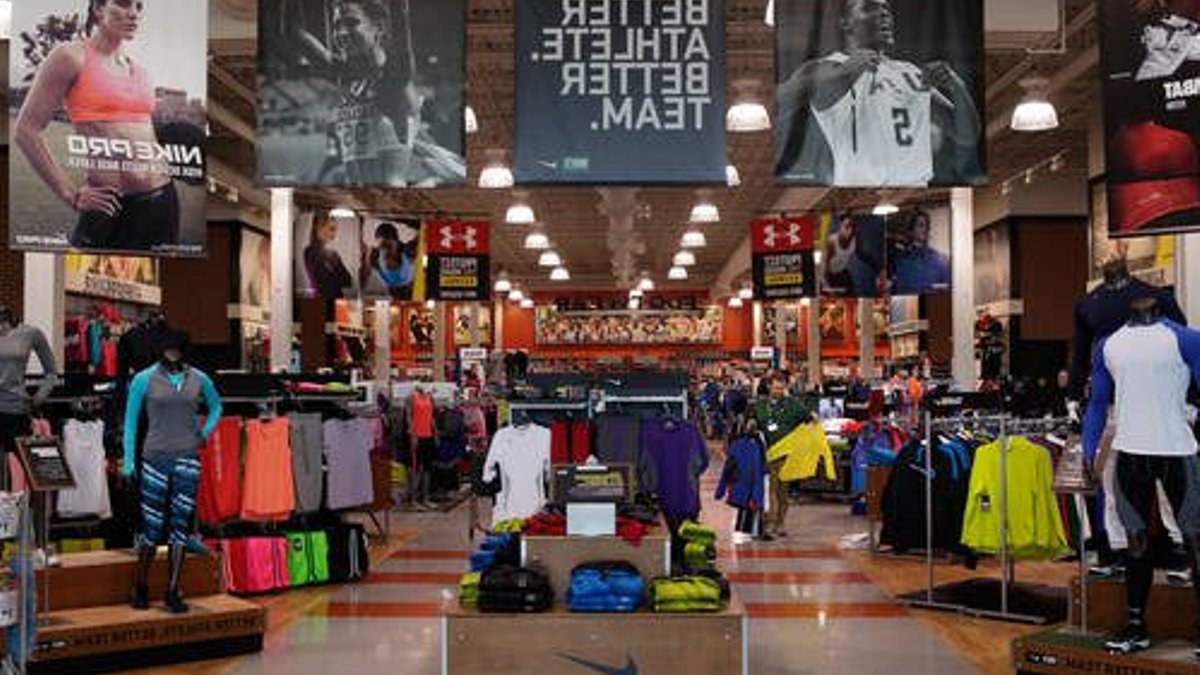
U.S. sporting goods spending dropped 9% in the quarter ending January 2026, marking the sharpest decline in years. Inflation, tariffs, and cautious spending by middle-income households reduced discretionary purchases.
A firm tracking transaction data reported the decline reversed a post-pandemic surge in outdoor and fitness gear. Higher-income shoppers continued to spend more per visit, but middle-income families pulled back, lowering overall sales.
Premium brands and experiences buck the trend
While most retailers struggled, brands combining performance gear with everyday style performed well. Salomon, Rossignol, and Evo recorded sales increases, especially in the Northeast and Midwest, where their lifestyle products connected with customers.
Experiential retail also helped. DICK’S Sporting Goods’ House of Sport locations, featuring climbing walls, turf fields, and in-store events, attracted shoppers seeking more than just products. Other chains, like SCHEELS, used similar strategies to dominate local markets quickly. A new Tulsa store outperformed competitors within three months.
Michael Gunther, senior vice president of research at the firm, explained the shift reflects more than reduced spending. “Demand hasn’t vanished—it’s moving toward premium experiences, specialized communities, and brands tied to lifestyle,” he stated. Retailers depending on broad discretionary demand now face challenges.
Regional and demographic splits emerge
The West experienced the largest spending decline, with double-digit drops at chains like Big 5 Sporting Goods. Tariffs on steel and aluminum, introduced in 2025, hurt hunting and fishing retailers most. Sportsman’s Warehouse, Brownells, and Palmetto State Armory all reported significant sales declines.
Related: Heatwave boosts sales of cold treats
Younger shoppers drove growth for niche brands. Consumers aged 18 to 24 spent more per visit than other groups, supporting companies linked to specific sports communities like Epic Sports and Proof Lab. Skiing and golf retailers, including Backcountry and PGA TOUR Superstore, also benefited from wealthier customers who maintained spending levels.
Middle-income families face different decisions. With inflation still exceeding wage growth in many sectors, sporting goods often become expendable. Some retailers now focus on premium offerings or transforming stores into destinations rather than just places to buy gear abroad.
The industry appears to be reshaping rather than shrinking. Brands that once relied on mass appeal must now choose between targeting the high-end market, establishing a niche, or risking irrelevance.
Academy Sports + Outdoors saw local sales decline after SCHEELS opened its flagship store in Tulsa. The new location didn’t just sell more—it altered shopping patterns. Similar disruptions are occurring nationwide, where a single well-positioned store can reshape competition in months.
The winners are those prioritizing experience over volume. Whether this strategy can counter the broader slowdown is uncertain.


